Thursday, March 6, 2025

The Fascinating Story of the 6-Wheel F1 Car: Tyrrell P34


One of the most striking designs in Formula 1's history was the Tyrrell P34, a six-wheel F1 car that astounded the racing community in the 1970s. 

Formula 1 has always been a fight for innovation.  

In contrast to traditional Formula One vehicles, which use, the P34's smaller front wheels that remained within the car's body width were intended to reduce aerodynamic drag.  

Additionally, this unusual design expanded the tire contact patch, which should improve braking and traction.  

Driven by Jody Scheckter and Patrick Depailler, the P34 made its début during the 1976 season.  

Its most notable accomplishment was a historic 1-2 result at the 1976 Swedish Grand Prix.  

As a result, Scheckter became the sole driver to ever win a Formula One race using a six-wheel vehicle.

Difficulties and Decline  

Notwithstanding its encouraging beginning, the P34 had serious problems.  

The Goodyear-made, smaller front tires wore out rapidly, and because they were expensive, development was sluggish.  

Furthermore, handling was unpredictable due to the intricate suspension system.  

The vehicle was retired after the 1977 season because it was heavier and less competitive.  

A Legacy in Formula One History  In order to avoid undue engineering advantages, Formula One eventually outlawed vehicles with more than four wheels, while the Tyrrell P34 is still one of the water's experiments with six-wheel designs.  

The P34 is still regarded as a daring attempt to push the boundaries of Formula One technology, demonstrating that innovation may occasionally result in both success and disaster.


Best 6.5 Car Speakers for Ultimate Sound Quality


Enhance the Audio Experience in Your Vehicle  6.5-inch car speakers are one of the most widely used options for improving your in-vehicle music experience.  

These speakers work well with the majority of automobile audio systems because they strike a balance between power, clarity, and bass response.  

The correct 6.5-inch speakers may completely change your driving experience, whether you're searching for powerful bass, clear vocals, or an immersive soundscape.  

The Best Features for 6.5 Car Speakers  

1. Sound Quality and Response to Frequencies  For a well-balanced sound that includes both deep bass and crisp treble, look for speakers with broad frequency response ranges (such as 35 Hz to 22 kHz).  

For example, the carbon-injected Plus One cone in JBL GTO629 speakers produces precise sound without distortion and deep bass.

2. Sensitivity & Power Handling  Better sound at higher volumes is guaranteed by good power handling, which is expressed in watts RMS.  

For low-powered car entertainment systems, a speaker like the JVC CS-J620, which has 92dB sensitivity and 30W RMS power handling, is perfect.  

3. Tweeter Type for Clarity at High Frequencies  PEI (Poly-Ether Imide) tweeters improve acute treble clarity, whereas silk dome tweeters produce warm, detailed sound.  As demonstrated by the JBL GTO629, edge-driven tweeters aid in heat dissipation and avoid distortion.  

4. Compatibility & Impedance  Most vehicle amplifiers operate properly with a standard 4-ohm impedance.  Selecting the appropriate impedance protects your audio system from harm while guaranteeing clear, distortion-free sound.


Wednesday, March 5, 2025

Car Brands: A Guide to the World’s Top Automobile Manufacturers


## Introduction to Car Brands

The world of automobile manufacturing is a vast and diverse industry, with numerous car brands offering a wide range of vehicles to suit various needs and preferences. In this article, we will provide a comprehensive guide to the world's top automobile manufacturers, highlighting their history, notable models, and innovative features.


## History of Major Car Brands

The history of car brands dates back to the late 19th century, when pioneers such as Karl Benz and Henry Ford revolutionized the transportation industry. Over the years, numerous car brands have emerged, each with its unique story and contributions to the automotive world. Some of the most notable car brands include:

* Toyota, known for its reliability and durability

* Ford, famous for its iconic Mustang model

* Volkswagen, recognized for its affordable and efficient vehicles

* BMW, renowned for its high-performance and luxury cars

* Mercedes-Benz, celebrated for its innovative technology and sleek designs


### Top Car Brands by Region

Car brands can be categorized by region, with each area having its distinct characteristics and specialties. Here are some of the top car brands by region:

1. **Asian Car Brands**: Toyota, Honda, and Hyundai are among the most popular car brands in Asia, offering a wide range of vehicles from compact sedans to luxury SUVs.

2. **European Car Brands**: BMW, Mercedes-Benz, and Volkswagen are some of the most renowned car brands in Europe, known for their advanced technology and stylish designs.

3. **American Car Brands**: Ford, Chevrolet, and Tesla are among the most iconic car brands in the United States, offering a diverse range of vehicles from muscle cars to electric vehicles.


#### Notable Car Models

Some car brands are known for their specific models, which have become iconic in the automotive world. Here are a few examples:

* Toyota Corolla, one of the best-selling cars of all time

* Ford Mustang, a classic American muscle car

* Volkswagen Golf, a popular hatchback known for its versatility and efficiency

* BMW 3 Series, a high-performance sedan with advanced features

* Mercedes-Benz S-Class, a luxury sedan with innovative technology and comfort


## Conclusion

In conclusion, the world of car brands is a complex and fascinating industry, with numerous manufacturers offering a wide range of vehicles to suit various needs and preferences. By understanding the history, notable models, and innovative features of top car brands, consumers can make informed decisions when purchasing a vehicle. Whether you're looking for a reliable and affordable car or a high-performance luxury vehicle, there's a car brand out there to suit your needs. With the constant evolution of technology and design, the automotive industry will continue to thrive, offering new and exciting options for car enthusiasts around the world. As the industry continues to grow, it's essential to stay up-to-date with the latest developments and trends in the world of car brands.

Car Battery: Everything You Need to Know


## Introduction to Car Batteries

A car battery is a vital component of a vehicle's electrical system, providing the necessary power to start the engine and support various electrical accessories. In this article, we will delve into the world of car batteries, exploring their types, functions, maintenance, and troubleshooting.


## Types of Car Batteries

There are several types of car batteries available, each with its unique characteristics and advantages. The most common types include:

* Flooded batteries: These are the traditional and most affordable type of car battery.

* Absorbent Glass Mat (AGM) batteries: These batteries are designed to provide high performance and durability.

* Deep Cycle batteries: These batteries are designed for frequent deep discharging and recharging.

* Lithium-ion batteries: These batteries are becoming increasingly popular due to their high energy density and long lifespan.


### Factors to Consider When Choosing a Car Battery

When selecting a car battery, there are several factors to consider, including:

1. **Cold Cranking Amps (CCA)**: This measures the battery's ability to start the engine in cold temperatures.

2. **Reserve Capacity (RC)**: This measures the battery's ability to power the vehicle's electrical systems when the engine is not running.

3. **Maintenance requirements**: Some batteries require regular maintenance, such as checking the electrolyte level and adding water.

4. **Warranty**: Look for a battery with a comprehensive warranty that covers defects and replacements.


## Car Battery Maintenance and Troubleshooting

To extend the lifespan of your car battery, regular maintenance is essential. Here are some tips:

* Check the electrolyte level and add water as needed.

* Clean the terminals and cables to prevent corrosion.

* Avoid deep discharging the battery.

* Store the battery in a cool, dry place when not in use.


### Common Car Battery Problems

If your car battery is not functioning properly, it may be due to one of the following issues:

* **Dead battery**: If the battery is not holding a charge, it may need to be replaced.

* **Corrosion**: Corrosion on the terminals and cables can prevent the battery from functioning properly.

* **Low electrolyte level**: If the electrolyte level is low, the battery may not function properly.


#### Troubleshooting Tips

To diagnose and fix car battery problems, follow these steps:

1. Check the voltage using a multimeter.

2. Inspect the terminals and cables for corrosion.

3. Check the electrolyte level and add water as needed.

4. If the problem persists, consult a professional mechanic or automotive electrician.


By following these tips and understanding the basics of car batteries, you can ensure that your vehicle's electrical system is functioning properly and safely. Remember to choose the right type of battery for your vehicle and perform regular maintenance to extend its lifespan. With proper care and attention, your car battery will provide reliable service for years to come.

Understanding Third-Party Car Insurance: A Smart Choice for Drivers


Third-Party Auto Insurance: What is it?  Third-party auto insurance is a kind of policy that covers harm or property damage to other people (third parties) as a result of an accident involving the covered vehicle.  

This implies that in the event that you are at fault for an accident, your insurance will cover the other person's medical bills and auto repairs, but not your own losses.  

What Makes Third-Party Auto Insurance Crucial?  

Third-party auto insurance is required by law in several nations to guarantee that accident victims are compensated.  

It lowers the possibility of costly litigation or claims by shielding you from financial responsibility in the event of an accident.  Third-Party Auto Insurance Coverage  

Usually covered by this kind of insurance are:

Medical costs, hospital bills, and missed wages for the wounded third party are covered by bodily injury liability.  

The expense of fixing or replacing damaged property, such as a different vehicle, buildings, fences, or public infrastructure, is covered by property damage liability.  

What's Not Included?  harm to your own car  Individual medical costs  

Damage from a natural disaster or theft  Losses brought on by unsafe or intoxicated driving  Benefits and Drawbacks of Third-Party Auto Insurance

The Essential Guide to Car Batteries: Powering Your Vehicle Efficiently


Overview  

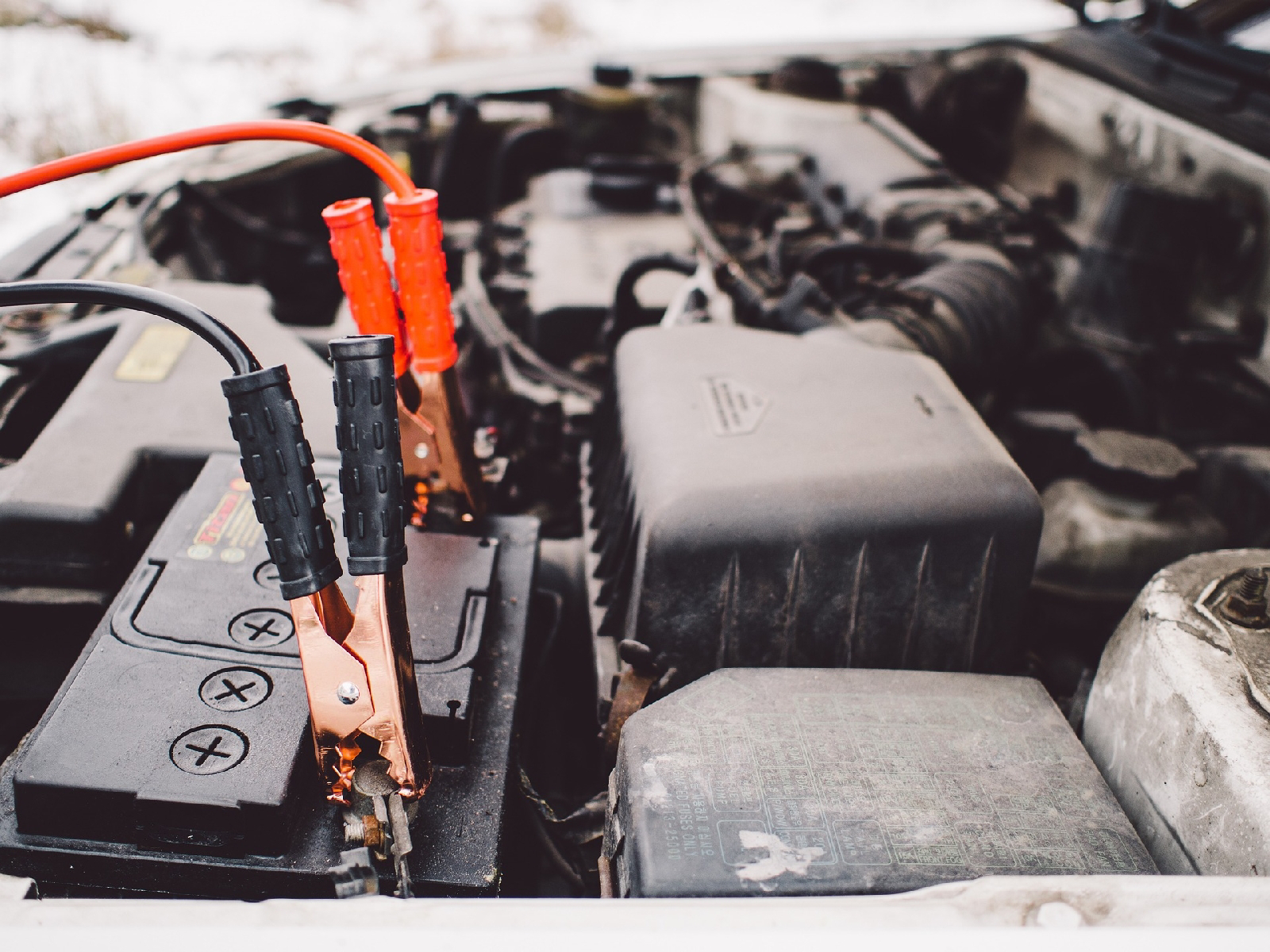
The engine and electronic components of a car are powered by the battery, which is the central component of the electrical system.  

Your car's longevity and performance can be greatly impacted by the battery you choose and how you manage it.  

Everything you need to know about automobile batteries will be covered in this article, including kinds, uses, maintenance advice, and warning signals of a failing battery.  

Knowing About Automobile Batteries  


1. First, what is a vehicle battery?  An automobile battery is a rechargeable power source that powers the radio, lights, ignition system, and other electronic devices.  

The lead-acid battery is the most popular kind and has been used extensively because of its affordability and dependability.


2. Automobile Battery Types  

Car batteries come in a variety of forms, each with unique benefits.  

Batteries made with lead acid  These batteries are conventional, reasonably priced, and need to be maintained on a regular basis.  

AGM (Absorbent Glass Mat) batteries are frequently seen in contemporary automobiles and offer exceptional performance and longevity.  

Lithium-Ion batteries are more costly but lightweight and durable; they are frequently seen in electric or high-performance cars.  

Gel cell batteries are perfect for off-road or maritime applications since they can withstand high temperatures and vibrations.


Selecting the Appropriate Vehicle Battery  Take into account the following elements while choosing a battery:  Size and Compatibility: Verify that the battery meets the requirements of your vehicle.  

Cold Cranking Amps (CCA): Cold weather starters benefit from higher CCA ratings.  

The battery's reserve capacity (RC) tells you how long it can power vital systems in the event that the alternator fails.  

Maintenance Requirements: While some batteries don't need maintenance, others do require routine fluid checks.  

Symptoms of a Dead Battery  Unexpected malfunctions can result from a dying battery.  

Keep an eye out for these warning indicators:  Slow Engine Start: A weak battery may be the cause of a slow engine.  

Electrical problems and dim lighting: flickering lights and broken devices are signs of poor battery life.


A Comprehensive Guide to Renting a Car: Everything You Need to Know


For business professionals, tourists, and anybody else in need of short-term vehicle access, renting a car is a practical option.  

Knowing the rental procedure is essential whether you're organizing a road trip, need a substitute while your vehicle is being fixed, or just wish to drive in a different way.  

The main elements of hiring a car will be covered in this guide, guaranteeing a seamless experience.  

1. Selecting the Appropriate Rental Vehicle  Before you rent a car, think about things like:  Car Type: A variety of vehicles, including premium sedans and SUVs, are available from rental companies.  

Fuel Efficiency: A automobile that uses less fuel will save you money while you're traveling long distances.  

Seating and Storage: Take into account the capacity for both passengers and luggage.

2. Investigating and Making Reservations  Investigate several automobile rental firms online to find the best offer.  

Among the most well-known suppliers are Budget, Enterprise, and Hertz.  

In contrast:  Rental Costs: Costs differ based on location, length of rental, and vehicle model.  

Deals and Discounts: A lot of businesses provide savings for credit card promotions, early reservations, and memberships.  

Pick-Up and Drop-Off Locations: To prevent additional fees, pick a handy location.  

3. Being Aware of Rental Policies  When you pick up the vehicle, you will require:  A current driver's license is necessary in certain nations, as is an International Driving Permit (IDP).  

Credit Card for Deposit: The majority of businesses use your card to keep a security deposit.  

Liability, collision damage waiver (CDW), and comprehensive coverage are your options for insurance.

4. Examining the rental contract  Prior to signing, make sure:  Limits on Mileage:  A few rental companies provide.  

Common rules include pre-purchased fuel or full-to-full (you return the vehicle with a full tank).  

Extra Fees: There may be charges for late returns, extra drivers, and other services (such as kid seats or GPS).  

5. Examining the Vehicle Before Operating a Vehicle  Prior to departing the parking lot:  Make sure to record any dents, scratches, or other damage you find on the vehicle.  

To prevent being billed for damage that already existed, take pictures as evidence.  

Verify that every feature—including the lights, wipers, and air conditioning—is operating as intended.  

6. Giving the Rental Car Back  To prevent additional fees:  To avoid late penalties, return the vehicle on time.  

In accordance with the fuel policy, refuel.  

To prevent paying for cleaning, make sure the automobile is clean.

Arch Motorcycle: The Pinnacle of Custom-Built Performance Motorcycles

Introduction When it comes to luxury, performance, and handcrafted engineering, Arch Motorcycle stands as an epitome of bespoke ...