Tuesday, March 18, 2025

BMW Motorcycles: The Legacy of Innovation, Performance, and Excellence

Published from Blogger Prime Android App


Introduction


BMW, a brand synonymous with luxury, precision engineering, and performance, has been producing motorcycles since 1923. Over the years, BMW Motorrad, the motorcycle division of Bayerische Motoren Werke AG (BMW), has built a reputation for designing some of the most advanced, reliable, and stylish motorcycles in the world. From adventure touring bikes like the BMW R 1250 GS to high-performance sport models such as the BMW S 1000 RR, the company has continually pushed the boundaries of two-wheeled engineering.


This article explores the history, innovations, popular models, and future of BMW motorcycles, shedding light on what makes them stand out in the competitive motorcycle industry.


---


The History of BMW Motorcycles


1. The Birth of BMW Motorrad (1923-1945)


BMW’s journey in motorcycle production began in 1923 with the BMW R32, the first bike to feature the now-iconic flat-twin boxer engine. This design became a hallmark of BMW motorcycles, known for their low center of gravity, stability, and smooth power delivery.


During World War II, BMW produced military motorcycles such as the R75, which was designed for rugged terrain and came equipped with a sidecar. This period helped refine BMW’s engineering capabilities, setting the stage for post-war success.


2. Post-War Recovery and Growth (1945-1980s)


After World War II, BMW had to rebuild its motorcycle division. The 1950s and 1960s saw the rise of models like the R50 and R69, which became popular among touring enthusiasts.


The 1970s were a defining era for BMW motorcycles with the introduction of the R90S, a performance-oriented sport-touring bike. BMW also pioneered anti-lock braking systems (ABS) in motorcycles during this period, reinforcing its commitment to rider safety.


3. The Modern Era and Technological Advancements (1990s-Present)


By the 1990s, BMW had fully embraced innovation. The launch of the BMW GS series revolutionized adventure motorcycling. The R 1200 GS, in particular, became the world’s best-selling adventure bike, known for its durability, off-road capability, and comfort on long-distance rides.


The 2000s and 2010s saw BMW entering the superbike market with the S 1000 RR, a high-performance machine that competed with Japanese and Italian superbikes. Additionally, BMW expanded into the electric motorcycle segment with the BMW CE 04, a futuristic urban commuter.


---


Key Innovations That Define BMW Motorcycles


1. Boxer Engine and Shaft Drive


BMW’s flat-twin boxer engine, first introduced in 1923, remains one of its defining features. This engine layout offers:


Smooth power delivery


Low vibration


Superior cooling efficiency


Additionally, BMW’s shaft drive system, rather than a traditional chain, provides low maintenance and longer durability—ideal for touring bikes.


2. Telelever and Paralever Suspension


BMW introduced Telelever and Paralever suspension systems, designed to:


Reduce front-end dive during braking


Improve stability on rough terrain


Enhance cornering performance


These systems have become a benchmark in adventure and touring motorcycles.


3. Anti-Lock Braking System (ABS) and Rider Aids


BMW was the first motorcycle manufacturer to introduce ABS in 1988, significantly improving rider safety. Over time, the company has added:


Dynamic Traction Control (DTC)


Ride-by-Wire Throttle


Electronic Suspension Adjustment (ESA)


Hill Start Control


These rider aids ensure maximum performance and safety, particularly in adverse riding conditions.


4. Advanced Aerodynamics and Lightweight Materials


BMW motorcycles incorporate wind-tunnel-tested aerodynamics and lightweight materials such as carbon fiber and aluminum, optimizing both speed and efficiency.


---


Popular BMW Motorcycle Models


1. BMW R 1250 GS – The Ultimate Adventure Bike


The BMW R 1250 GS is arguably the most famous adventure bike in the world. Known for its:


1254cc Boxer Engine with ShiftCam Technology


Long-distance comfort


Off-road capability


Advanced electronic rider aids


The GS series has won multiple awards and is the preferred choice for global travelers.


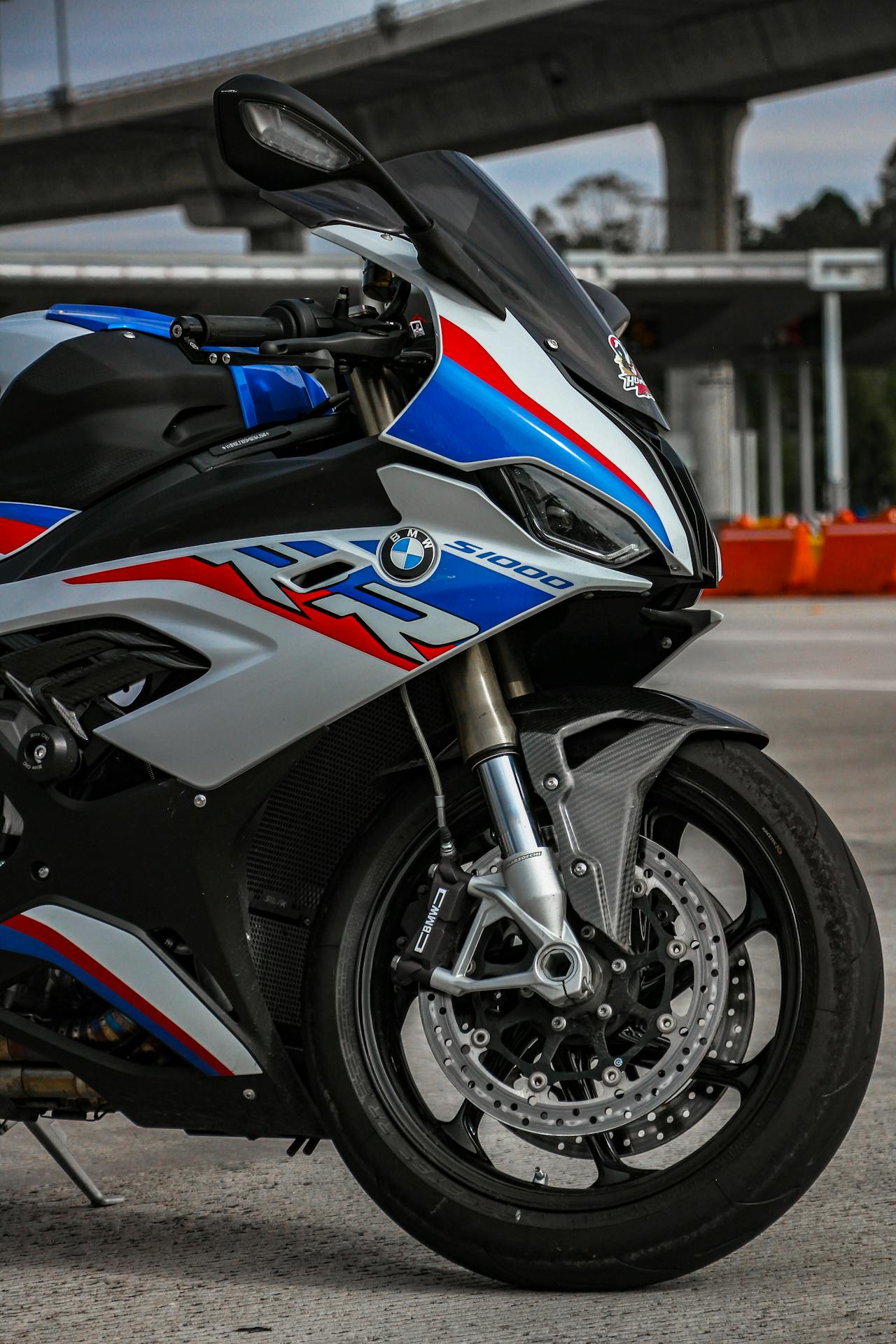
2. BMW S 1000 RR – The Superbike Champion


The S 1000 RR is BMW’s entry into the superbike segment, boasting:


999cc inline-four engine producing over 200 HP


Lightweight frame with aerodynamic fairings


Dynamic Traction Control and Race ABS


It competes directly with top superbikes like the Ducati Panigale V4 and Yamaha YZF-R1.


3. BMW K 1600 GT – Luxury Touring Redefined


For riders who prioritize comfort and long-distance touring, the BMW K 1600 GT is a powerhouse equipped with:


1649cc inline-six engine


Electronic Suspension Adjustment


Integrated GPS and luxury seating


This model is often compared to the Honda Gold Wing for premium touring.


4. BMW F 850 GS – The Mid-Sized Adventurer


Positioned between the R 1250 GS and smaller adventure bikes, the F 850 GS is a versatile option featuring:


853cc parallel-twin engine


Lightweight frame for off-road agility


Switchable ABS and multiple ride modes


5. BMW CE 04 – The Future of Electric Motorcycling


BMW has embraced electric mobility with the CE 04, an urban commuter featuring:


80 km range per charge


Futuristic design


Fast charging capability


This model signals BMW’s commitment to sustainable transportation.


---


BMW Motorcycles in Motorsports


1. Success in Endurance Racing and Dakar Rally


BMW motorcycles have dominated endurance racing events like:


The Dakar Rally – BMW won multiple times with the R 80 G/S.


The Isle of Man TT – BMW bikes have seen victories in this legendary race.


2. World Superbike Championship (WSBK)


The BMW S 1000 RR competes in WSBK, consistently challenging top manufacturers like Ducati, Kawasaki, and Yamaha.


3. Touring and Endurance Competitions


BMW bikes are favorites for Iron Butt Rally and cross-continental endurance challenges, proving their reliability and comfort over long distances.


---


The Future of BMW Motorcycles


1. Expansion of Electric Motorcycles


BMW plans to release more electric models, building on the success of the CE 04. Future concepts suggest:


Longer battery range


More powerful electric motors


Sustainable materials in production


2. Integration of Artificial Intelligence (AI) in Motorcycles


BMW is working on AI-based rider assistance, including:


Self-balancing motorcycles


Smart helmets with heads-up displays


AI-powered traffic analysis for safer rides


3. Hydrogen-Powered Motorcycles


BMW has experimented with hydrogen-fueled engines, aiming for zero-emission solutions beyond electric power.


---


Conclusion


BMW motorcycles have set a standard in the industry, combining innovation, performance, and luxury. With a rich history, cutting-edge technology, and a vision for the future, BMW Motorrad continues to be a leader in both adventure and high-performance motorcycling.


From the legendary R 1250 GS to the electrifying CE 04, BMW offers something for every rider—whether you seek thrill, comfort, or sustainability. As technology evolves, BMW motorcycles will undoubtedly remain at the forefront of two-wheeled innovation for years to come.

Monday, March 17, 2025

Yamaha Motorcycles: A Legacy of Performance, Innovation, and Excellence

Published from Blogger Prime Android App


Yamaha Motorcycles has been a dominant name in the global two-wheeler industry for decades. Renowned for their cutting-edge technology, high-performance engines, and stylish designs, Yamaha motorcycles appeal to a broad range of riders, from beginners to professional racers. With a history spanning over 65 years, Yamaha has played a crucial role in shaping the modern motorcycle industry.


This article explores the history, innovations, popular models, and Yamaha's influence on the motorcycle world.


---


The Origins of Yamaha Motorcycles


From Musical Instruments to Motorcycles


Before Yamaha became a motorcycle powerhouse, it was known for producing musical instruments. Established in 1887 by Torakusu Yamaha, the company initially focused on pianos and organs. It wasn’t until after World War II that Yamaha ventured into motorcycle manufacturing.


The Birth of Yamaha Motor Co., Ltd. (1955)


As Japan recovered from the war, there was an increasing demand for affordable and efficient transportation. Recognizing this opportunity, Genichi Kawakami, the president of Nippon Gakki (now Yamaha Corporation), decided to enter the motorcycle business.


In 1955, Yamaha Motor Co., Ltd. was officially founded, and the company released its first motorcycle, the YA-1, also known as the "Red Dragonfly." Powered by a 125cc two-stroke engine, the YA-1 quickly gained popularity due to its reliability and performance, marking the beginning of Yamaha's journey in the motorcycle industry.


---


Global Expansion and Rise to Prominence


By the 1960s, Yamaha had expanded beyond Japan, establishing itself as a major player in international markets, particularly in the United States and Europe.


Success in Racing: Establishing Yamaha’s Reputation


Yamaha's involvement in motorcycle racing played a critical role in building its reputation. The company entered the Catalina Grand Prix in 1958, where the YA-1 proved its capability by securing a victory. This marked the beginning of Yamaha's dominance in racing.


Yamaha continued to invest in motorsports, participating in MotoGP, Superbike World Championship, and Motocross Racing, earning multiple world championships over the decades. Racing success not only boosted Yamaha’s brand image but also led to technological advancements that benefited its consumer motorcycles.


---


Technological Innovations in Yamaha Motorcycles


Yamaha has been a pioneer in motorcycle engineering, consistently introducing groundbreaking technologies.


1. Two-Stroke and Four-Stroke Engine Development


In its early years, Yamaha focused on high-performance two-stroke engines, which were lightweight and powerful. However, as environmental concerns grew, Yamaha shifted towards developing four-stroke engines that offered better fuel efficiency and lower emissions.


2. Yamaha Power Valve System (YPVS)


Introduced in the 1980s, YPVS optimized exhaust port timing to improve power delivery, making two-stroke engines more efficient and responsive. This technology became a game-changer in racing and sport motorcycles.


3. Crossplane Crankshaft Technology


Yamaha introduced the Crossplane Crankshaft in the YZF-R1 superbike, allowing for smoother power delivery and better traction. This innovation significantly improved handling and performance, especially in high-speed conditions.


4. Deltabox Frame


First developed for Yamaha’s racing bikes, the Deltabox frame offers superior rigidity and lightweight construction, enhancing stability and cornering ability. It has since been incorporated into Yamaha’s street and sport motorcycles.


5. Smart Technologies: Ride-by-Wire & Quick Shifter


Modern Yamaha motorcycles feature ride-by-wire throttle systems, which provide smoother acceleration and improved fuel efficiency. Additionally, quick shifters enable seamless gear changes without the need for a clutch, enhancing performance for sport and racing models.


---


Popular Yamaha Motorcycle Models


Yamaha manufactures motorcycles across multiple categories, catering to different types of riders.


1. Sport and Superbike Models


Yamaha's sport motorcycles are known for their speed, agility, and high-performance engineering.


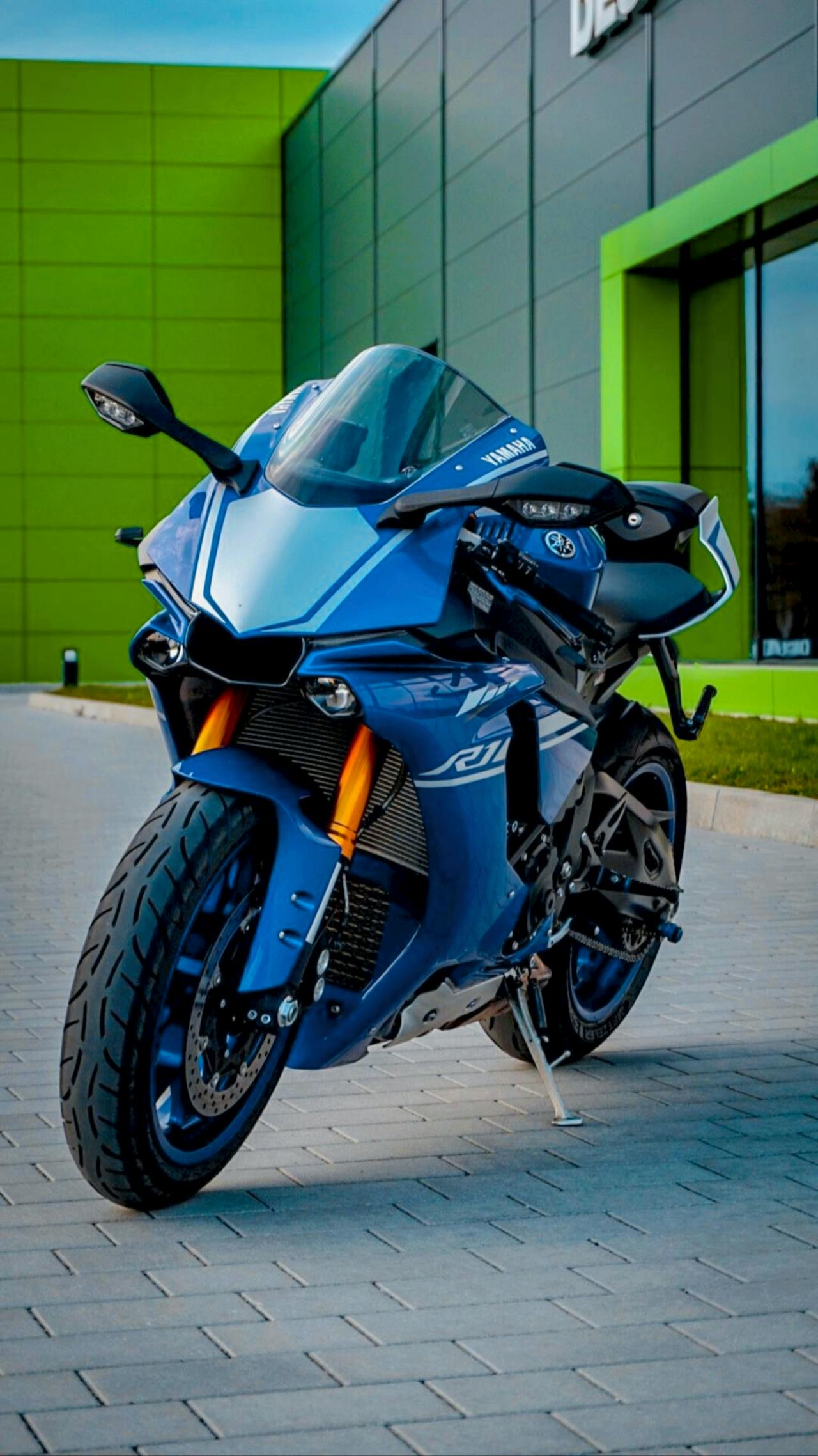
Yamaha YZF-R1 – The flagship superbike, featuring a 998cc crossplane engine, advanced electronics, and MotoGP-inspired design.


Yamaha YZF-R7 – A middleweight sportbike that offers a perfect balance of power and control.


Yamaha YZF-R3 – A lightweight, beginner-friendly sportbike with a 321cc engine.


2. Naked and Street Motorcycles


For riders who prefer a blend of performance and everyday usability, Yamaha's naked bikes provide excellent versatility.


Yamaha MT-09 – A powerful 890cc triple-cylinder motorcycle with aggressive styling and dynamic performance.


Yamaha MT-07 – A highly popular 689cc bike known for its affordability and fun riding experience.


Yamaha MT-03 – A beginner-friendly 321cc streetfighter with an aggressive look.


3. Adventure and Touring Motorcycles


Designed for long-distance travel and off-road exploration, Yamaha's adventure bikes are built for endurance.


Yamaha Tenere 700 – A rugged, off-road-focused adventure bike with a powerful 689cc engine.


Yamaha Super Tenere 1200 – A high-performance touring motorcycle equipped with advanced electronics.


Yamaha Tracer 9 GT – A sport-touring bike that blends comfort with performance.


4. Cruiser and Classic Motorcycles


For those who love relaxed riding, Yamaha offers stylish cruisers.


Yamaha Bolt R-Spec – A modern 942cc cruiser with a minimalist design.


Yamaha VMAX – A high-performance power cruiser with a 1679cc V4 engine.


5. Off-Road and Motocross Bikes


Yamaha dominates the dirt bike segment with its championship-winning motocross models.


Yamaha YZ450F – A powerful motocross bike designed for professional riders.


Yamaha WR250F – A lightweight off-road motorcycle for trail riding.


Yamaha TT-R230 – A great beginner-friendly dirt bike.


---


Yamaha’s Impact on Motorcycle Racing


Yamaha has been a dominant force in motorcycle racing, particularly in MotoGP, where legendary riders like Valentino Rossi and Jorge Lorenzo have won multiple world championships riding Yamaha bikes.


Some of Yamaha’s racing achievements include:


Numerous MotoGP titles with the Yamaha YZR-M1


Victories in the Dakar Rally with the Yamaha Tenere


Dominance in motocross championships with the YZ series


Through racing, Yamaha continuously develops and refines its motorcycles, ensuring that technology used in competitions makes its way into consumer models.


---


Sustainability and the Future of Yamaha Motorcycles


As the world shifts towards sustainability, Yamaha is actively working on eco-friendly motorcycle technology.


1. Electric Motorcycles


Yamaha has introduced electric concepts like the Yamaha E01 and EC-05, aiming to create efficient, zero-emission urban transportation.


2. Hydrogen and Hybrid Technology


Yamaha is also researching hydrogen-powered motorcycles and hybrid engine systems to reduce carbon emissions while maintaining performance.


3. Smart Connectivity & AI Integration


Future Yamaha motorcycles will feature AI-based safety systems, smart connectivity, and semi-autonomous riding features to enhance rider experience and safety.


---


Conclusion: Yamaha’s Enduring Legacy


Yamaha Motorcycles has established itself as one of the most respected and innovative brands in the industry. Whether it’s through high-performance sportbikes, comfortable touring motorcycles, rugged off-road machines, or sustainable future technology, Yamaha continues to lead the way.


With a strong commitment to innovation, performance, and rider satisfaction, Yamaha remains a favorite among motorcycle enthusiasts worldwide. Whether you’re a beginner, a professional racer, or an adventure seeker, Yamaha has a motorcycle designed to meet your needs, ensuring that the thrill of riding continues for generations to come.


Honda Motorcycles: Innovation, Performance, and a Legacy of Excellence

Published from Blogger Prime Android App


Honda Motorcycles have long been a dominant force in the global motorcycle industry, known for their cutting-edge technology, reliability, and wide-ranging models that cater to every type of rider. From their humble beginnings in post-war Japan to becoming a world leader in two-wheeled transportation, Honda has consistently pushed the boundaries of motorcycle engineering.


In this article, we will explore the history, innovations, popular models, and impact of Honda motorcycles on the global market.


---


The Origins of Honda Motorcycles


The story of Honda Motorcycles began with one man’s vision: Soichiro Honda. Born in 1906 in Japan, Soichiro Honda was passionate about engineering and mechanics from a young age. After working in the automotive industry, he founded Honda Motor Co., Ltd. in 1948.


At the time, Japan was recovering from World War II, and there was a strong demand for affordable and efficient transportation. Soichiro Honda saw an opportunity to provide practical mobility solutions for the Japanese population. He started by attaching small engines to bicycles, laying the foundation for what would become one of the most successful motorcycle companies in history.


The First Honda Motorcycle: The Honda D-Type (1949)


In 1949, Honda introduced its first complete motorcycle, the Honda D-Type, also known as the Dream D. This bike featured a 98cc two-stroke engine and was a stepping stone for future Honda motorcycle innovations.


With a focus on quality and affordability, Honda quickly gained popularity in Japan and set its sights on the international market.


---


Global Expansion and Rise to Dominance


Honda’s success in Japan led to expansion into the United States and Europe during the 1950s and 1960s. The company adopted an aggressive marketing strategy and focused on producing motorcycles that were easy to ride, fuel-efficient, and durable.


Breaking into the U.S. Market: "You Meet the Nicest People on a Honda"


In the early 1960s, American motorcycling culture was dominated by large, loud, and intimidating bikes. Honda wanted to change this perception by marketing motorcycles as fun and accessible for everyone.


Their famous "You Meet the Nicest People on a Honda" advertising campaign in 1963 revolutionized the industry. It showcased ordinary people riding Honda motorcycles, breaking the stereotype that motorcycles were only for rebels and outlaws. This campaign played a crucial role in making Honda a household name in the United States.


Landmark Models of the 1960s and 1970s


During this period, Honda introduced several iconic motorcycles that helped solidify its reputation:


Honda Super Cub (1958-Present)

The Super Cub is the best-selling motor vehicle of all time, with over 100 million units sold worldwide. Its small 50cc to 125cc engine, step-through design, and unmatched reliability made it a favorite among commuters.


Honda CB750 (1969)

Considered the world’s first superbike, the CB750 featured an inline-four engine, disc brakes, and an affordable price. It set the standard for modern sport motorcycles.


Honda Gold Wing (1975)

The Gold Wing redefined long-distance touring motorcycles with its powerful engine, smooth ride, and luxurious features. It remains one of the most popular touring bikes today.


---


Technological Innovations and Engineering Excellence


Honda is known for its commitment to innovation, and over the years, it has introduced groundbreaking technology in motorcycle engineering.


1. Four-Stroke Engine Development


While many manufacturers relied on two-stroke engines, Honda focused on four-stroke technology, which was cleaner, more fuel-efficient, and longer-lasting. This decision positioned Honda as a leader in environmental responsibility.


2. Variable Valve Timing (VTEC)


Honda introduced VTEC (Variable Valve Timing and Lift Electronic Control) in some of its motorcycles, allowing for improved fuel efficiency, power output, and smooth riding.


3. Dual Clutch Transmission (DCT)


Honda was the first motorcycle manufacturer to introduce DCT, an automatic shifting system that provides smooth and quick gear changes, making riding more accessible to beginners while enhancing performance for experienced riders.


4. Honda’s Advanced Safety Features


Honda Selectable Torque Control (HSTC): A traction control system that prevents wheel slip.


Combined Braking System (CBS): Distributes braking force between the front and rear wheels for better stability.


Anti-lock Braking System (ABS): Prevents wheels from locking up, improving braking safety.


---


Honda Motorcycle Categories and Popular Models


Honda produces motorcycles across various categories, ensuring there’s a perfect bike for every rider.


1. Commuter and Urban Motorcycles


Honda’s commuter motorcycles are designed for fuel efficiency, reliability, and ease of use.


Honda Super Cub C125 – The modern version of the legendary Super Cub.


Honda CB125F – A fuel-efficient, beginner-friendly street bike.


Honda PCX 160 – A stylish and practical scooter for urban commuting.


2. Sport and Superbike Models


For those who love speed and performance, Honda’s sportbike lineup delivers power and agility.


Honda CBR500R – A great entry-level sportbike.


Honda CBR650R – A middleweight sportbike with a perfect balance of power and control.


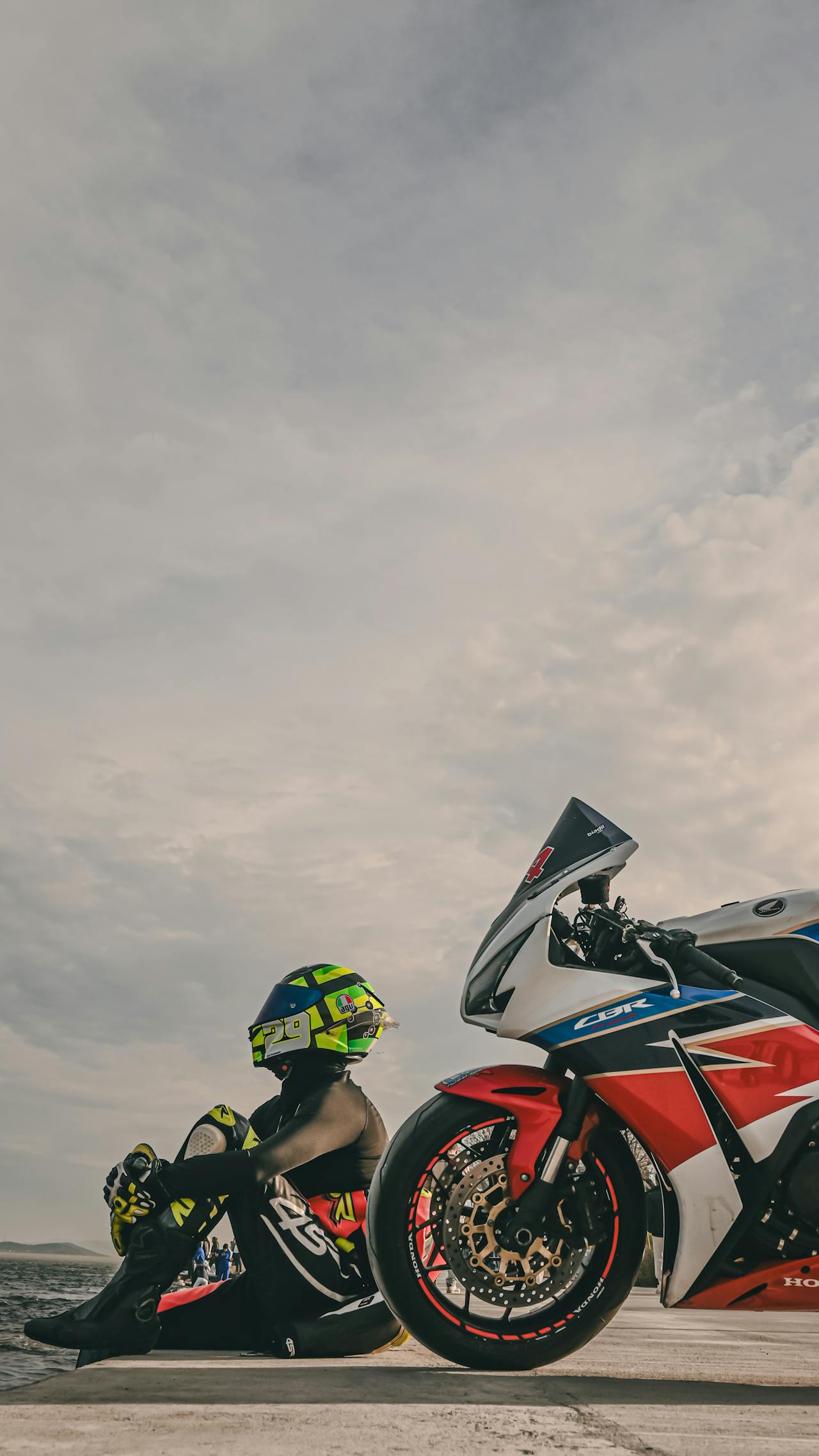
Honda CBR1000RR-R Fireblade – Honda’s flagship superbike with cutting-edge performance.


3. Adventure and Touring Motorcycles


Honda’s adventure bikes are built for long-distance travel and off-road capability.


Honda CRF1100L Africa Twin – A legendary adventure bike designed for rugged terrain.


Honda CB500X – A lightweight and versatile adventure touring motorcycle.


Honda Gold Wing Tour – The ultimate long-distance touring bike with a luxurious ride.


4. Off-Road and Motocross Bikes


Honda has a strong presence in off-road racing and motocross competitions.


Honda CRF250R – A high-performance motocross bike.


Honda CRF450R – A championship-winning dirt bike used by professionals.


---


Honda’s Influence on Motorcycle Racing


Honda’s commitment to performance extends to the world of professional racing. The company has dominated several international competitions, including:


MotoGP: Honda has won multiple championships with legendary riders like Valentino Rossi and Marc Márquez.


Isle of Man TT: Honda has secured numerous victories in one of the world’s most challenging motorcycle races.


Superbike World Championship: Honda’s CBR series has been a dominant force in superbike racing.


Through racing, Honda continuously improves its motorcycle technology, transferring advancements from the track to consumer models.


---


Sustainability and the Future of Honda Motorcycles


As the world moves towards sustainability, Honda is actively investing in eco-friendly motorcycle technology.


1. Electric Motorcycles


Honda has announced plans to release several electric motorcycles in the coming years. The Honda EM1 e: is the company’s first electric scooter designed for urban commuting.


2. Hydrogen and Hybrid Technology


Honda is exploring hydrogen fuel cell motorcycles and hybrid models to reduce emissions while maintaining performance.


3. Smart and Connected Bikes


Future Honda motorcycles are expected to integrate AI, smart connectivity, and autonomous riding assistance to enhance safety and rider experience.


---


Conclusion: Honda’s Enduring Legacy


Honda Motorcycles have shaped the motorcycle industry for over 70 years, combining innovation, reliability, and performance. Whether through their legendary commuter bikes, high-performance sportbikes, or championship-winning racing machines, Honda continues to set the standard for excellence.


With a strong commitment to sustainability and future technologies, Honda is poised to remain a dominant force in the motorcycle world for generations to come. Whether you're a beginner or an experienced rider, Honda has a motorcycle designed to meet your needs, ensuring that the joy of riding continues to inspire millions worldwide.


Arch Motorcycle: The Pinnacle of Custom-Built Performance Motorcycles

Introduction When it comes to luxury, performance, and handcrafted engineering, Arch Motorcycle stands as an epitome of bespoke ...